
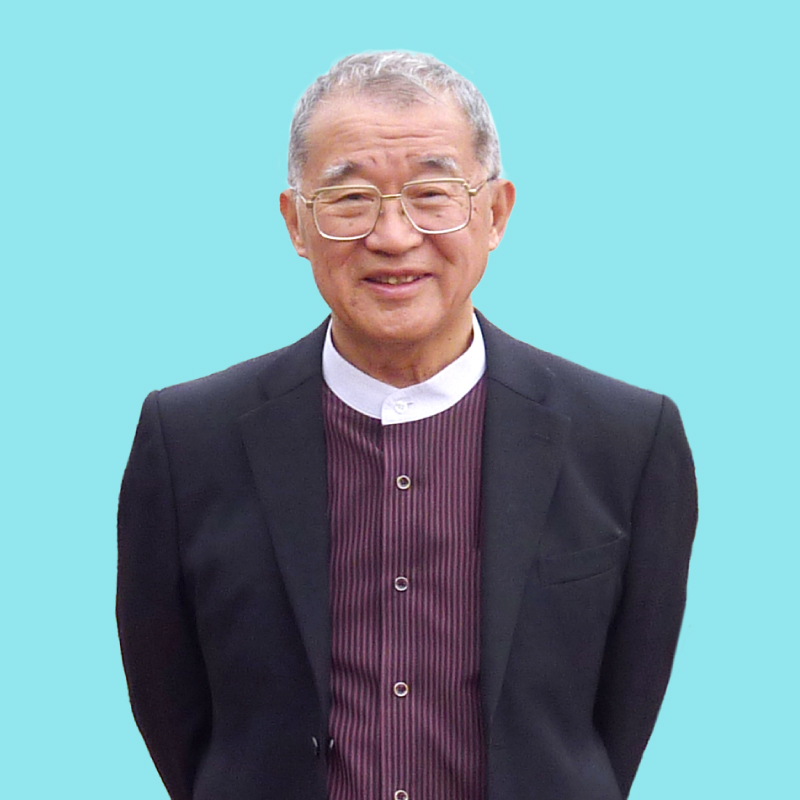
This former President of the Taiwan Control Yuan, who served in important public office roles throughout his life, is known in the political arena as the "Saint Wang." His private life indeed lives up to this title. Wang Jianxuan stated, "The happiest thing in life is doing charity work, helping the poor." He, together with his wife and friends, founded five charitable foundations, with their acts of kindness extending to Taiwan, Mainland China, Myanmar, and other regions. In Mainland China, he donated to the construction of over 353 Hope Primary Schools. The most admired of his initiatives is the "Pearl Recovery Project," which supports extremely disadvantaged yet outstanding high school students who cannot afford to further their education. This program covers their tuition, accommodation, and living expenses, essentially "picking these pearl-like children out of the trash." Every year, over 6,000 students benefit, and to date, more than 36,000 students have been supported, with nearly 70% gaining admission to key universities. Many of these students are expected to become elites in various industries across Mainland China, making significant contributions to society.
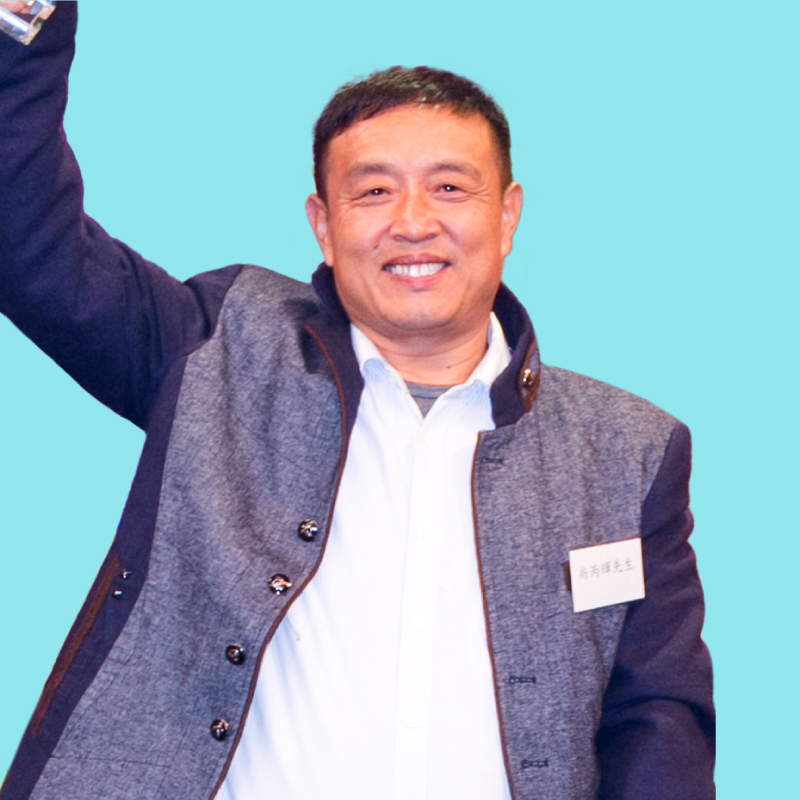
Shang Binghui, a native of Anhui, is the manager of the Qunhui Waste Recycling Station in Tianhe District. For over a decade, he has worked with waste, transforming discarded items into valuable resources, giving them a second chance. Known for his kind-hearted nature, he always steps forward to help anyone in need, earning the title of "Most Beautiful Waste King." Shang has long been devoted to social welfare, helping the poor and vulnerable. Through his recycling station and care center for foreign workers, he has taken in and assisted many homeless individuals, hoping to give them a second chance at life with his modest efforts. His charitable deeds have earned him several honors, including "Tianhe Good Person," "Guangdong Good Person," and "Chinese Good Person."
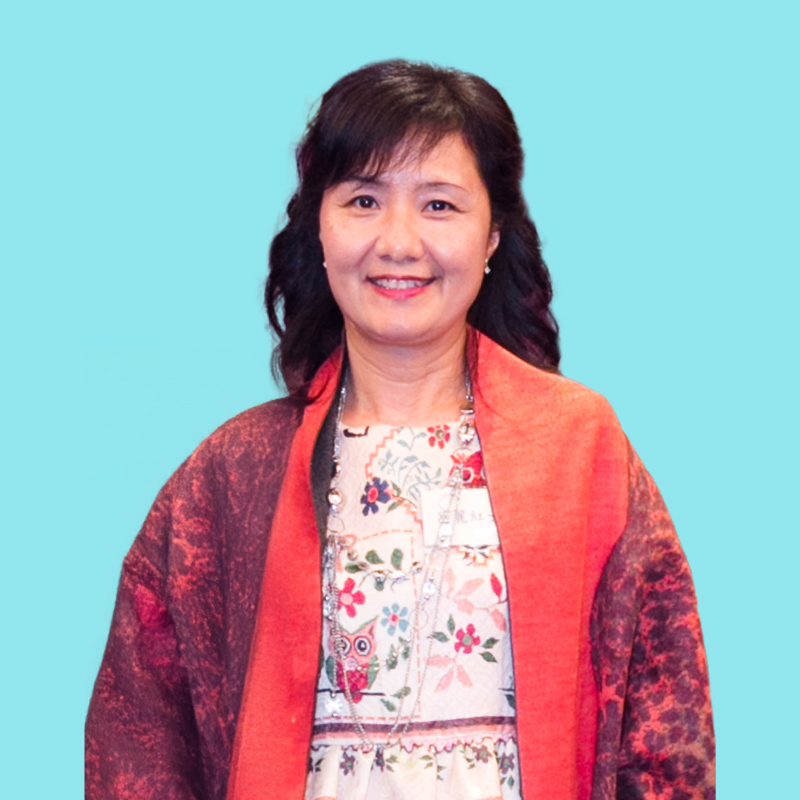
At a time when she could have enjoyed the fruits of her labor, Principal Lui chose to start from scratch. She took on the role of principal at Yuen Kong Kindergarten in Hong Kong, which had only five students at the time. She worked multiple jobs as a teacher, school bus driver, and janitor, earning a monthly salary of just HKD 4,500, all to ensure that those five children would not lose their opportunity for education. Principal Lui, whose reputation soared after the touching film The Principal of Five Children, upholds the mission of "education for all, never forgetting the original intention" and "teaching through words and actions, letting lives influence lives." She poured her heart and soul into the school, not only saving Yuen Kong Kindergarten but also growing the student body from five to over sixty within six years. She introduced the Montessori teaching method, praised by international schools for its focus on stimulating children's sensory experiences, and earned high praise in the education community.

As a news media journalist, Deng Fei wrote more than 100 investigative reports over his 10-year career, becoming a renowned investigative reporter in China. In 2011, he transitioned into public welfare and, leveraging internet tools, launched several public welfare projects, including campaigns against child trafficking on Weibo, free lunch programs, medical insurance for major illnesses for rural children in China, the Warm Current Project, girl protection initiatives, "Let the Migrant Birds Fly," and the China Water Safety Program. Recently, he established the e-Farming Project and Qingluo Camp, mobilizing social forces to "softly change China." Through Deng Fei's advocacy and practice, concepts like "Transparent Charity" and "Everyone's Charity" have gained widespread recognition, significantly contributing to the transformation of public welfare and charitable work in China. His efforts have facilitated social growth from the grassroots, collaborating with governments and businesses to effectively address major social issues.
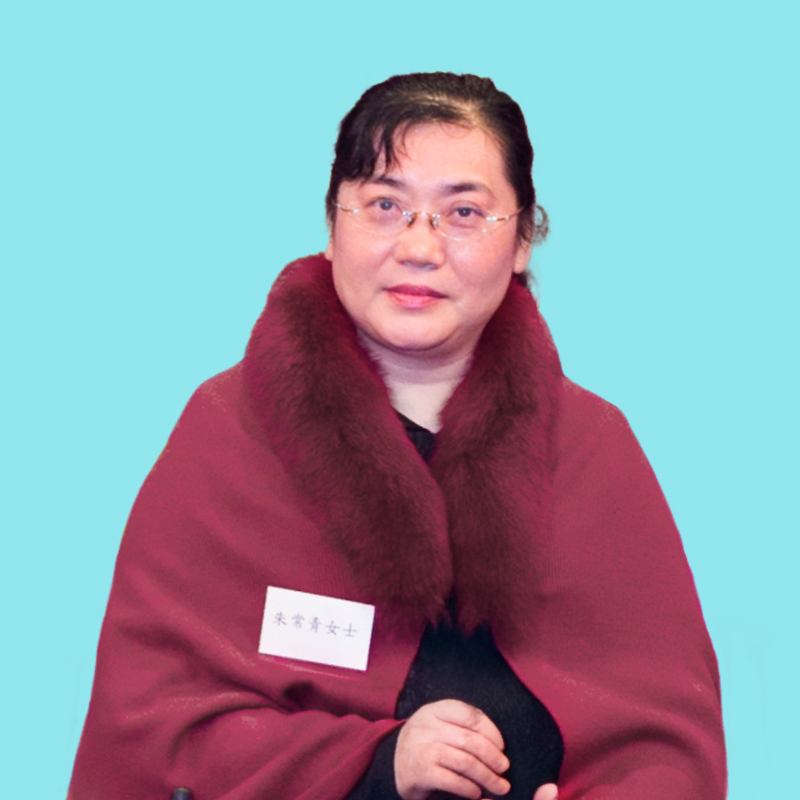
As a patient with neuromuscular disease for over 20 years, she currently relies on a 24-hour home caregiver for daily care. However, she does not wallow in self-pity. Instead, she has been tirelessly working to establish the Neuromuscular Disease Association and advocate for legislation to protect those with ALS (Amyotrophic Lateral Sclerosis), also known as "Lou Gehrig's disease." She has made significant technological breakthroughs in assistive devices for her fellow patients, ranging from wire-controlled to voice-controlled and eye-controlled devices. She led students in developing an "assistive robot for disabled mobility" and has successfully secured nursing subsidies for patients. Her current main goal is to advocate for major disease insurance for patients, to prevent more ALS patients from falling into poverty due to their illness. She describes herself as saying, "The disease has greatly enriched my life. Without it, I would be just an ordinary woman and would never have realized the potential I now possess."
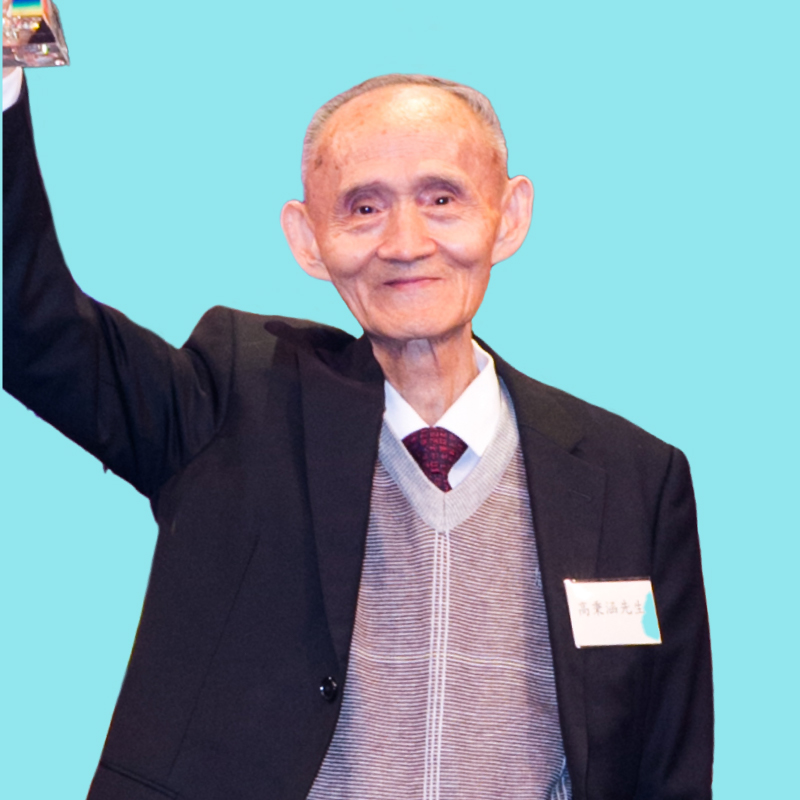
At the age of 13, Gao Binghan came to Taiwan with the Kuomintang. Now, at 80 years old, he has kept his promise to help the ashes of over a hundred veterans who passed away in Taiwan return to their hometowns, fulfilling their wish to be buried in their native land. This act of kindness earned him a spot as one of the "Top Ten Most Inspirational Figures of China" in 2012. In 1995, Gao Binghan founded the Heze Taiwan Hometown Association. As a well-known lawyer with good economic standing and a kind heart, he became the go-to person for his fellow townspeople seeking help, and he always responded to their needs. Many veterans and fellow villagers, seeing that the road home was uncertain, entrusted their hope to him. After the cross-strait policy opened, he frequently traveled between Taiwan and the mainland, successfully returning the ashes of more than a hundred veterans to their hometowns, fulfilling their final wish to "go home."